Global Climate & Environmental Change
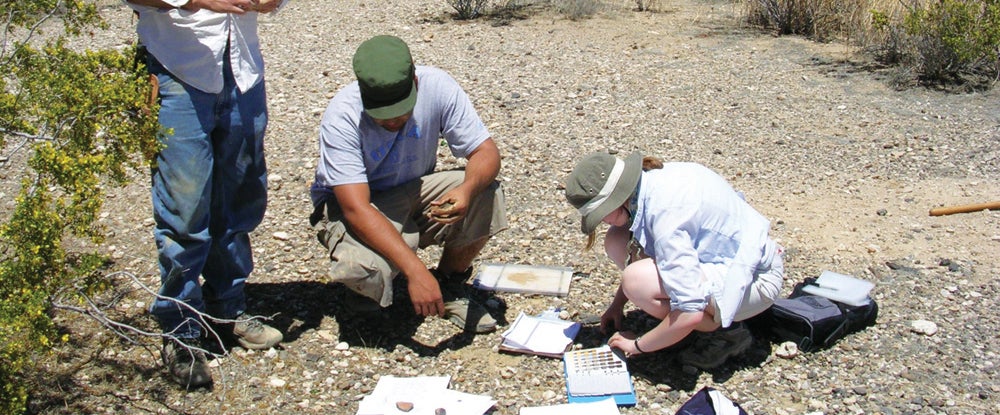
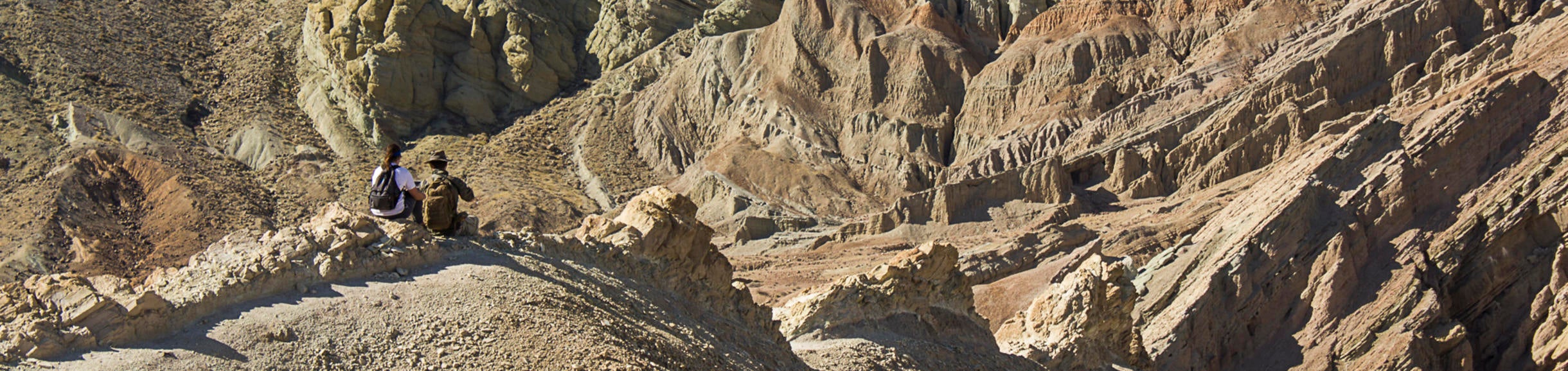
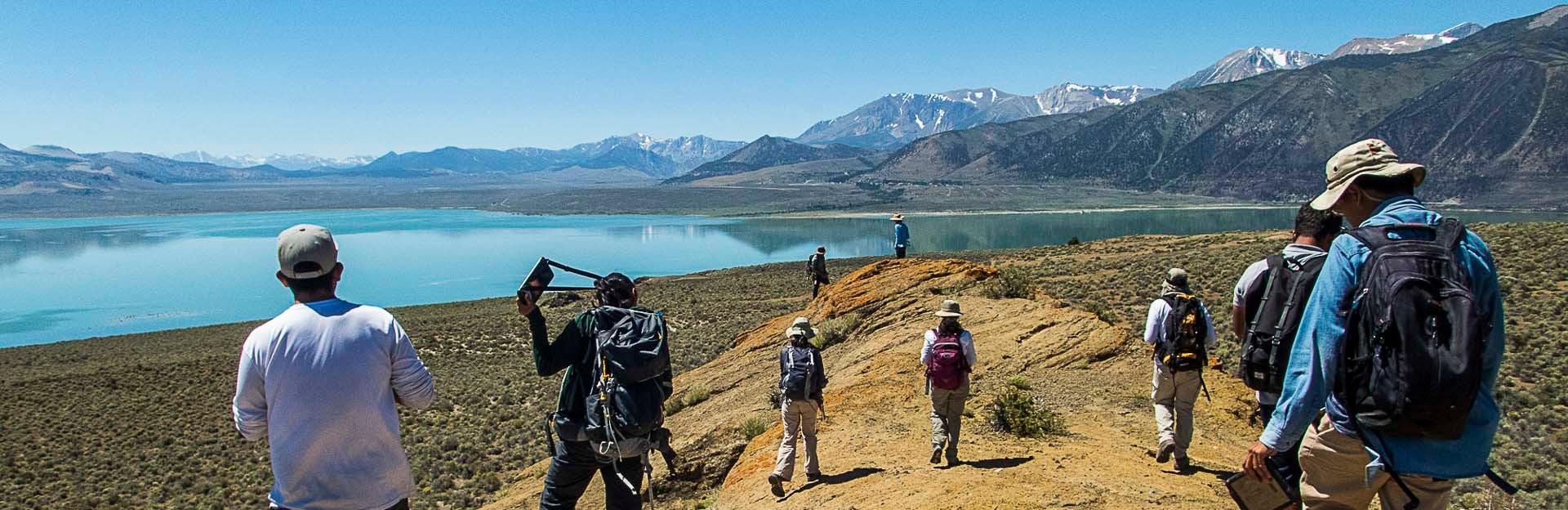
Field-Based Research in a Pristine Natural LaboratoryGlobal climate change is one of the most pressing scientific issues of our time, and has created an acute need for well-trained scientists versed in the complexity of the Earth's climate system. The Global Climate and Environmental Change program at University of California, Riverside, offers a two-year, field-based, graduate program that is radical in its conception and new in its kind. GCEC immerses students in the first principles of studying and interpreting the actual record of climate change using the Sierra Nevada Mountains of California as its laboratory. From the modern glaciers to ancient bristle cone pine trees, the oldest living organisms on Earth, the high Sierra contains one of the best records of continental climate in North America.
Keeping the Science in the Global Climate DebateThe decisions about climate change society makes in the next decade will determine the habitability of our planet. Those decisions can only be as good as the scientific understanding of climate change that they are based on. Society needs more scientists to undertake this work.
The Global Climate and Environmental Change Graduate Program at UCR was created to meet this need by providing a unique immersion in the record, techniques of analyzing and theory of climate change leading to a Masters degree. This program provides the scientific skill and understanding necessary to begin a career in this important field.
UCR, in the SierrasThe GCEC Program has direct and convenient access to the Sierras. The broad diversity of environments and climatological history in a small region provides the best and most diverse record of continental climate in North America. The GCEC program utilizes this readily accessible natural laboratory for its teaching program with field camps, research projects and field seminars. State of the Art Laboratory FacilitiesThe Earth Sciences Department houses a variety of analytical equipment in state-of-the-art laboratory facilities that opened this year and four additional labs to open in 2009. Facilities provide opportunities to integrate field studies in the Sierras and elsewhere with a laboratory component using any of six brand new mass spectrometers, scanning and transmission electron microscopy, and x-ray diffraction. This provides the opportunity for a variety of studies, including: isotopic studies of carbonates, organic materials and waters, elemental analysis of organics and sediments, and optical, geochemical and diffraction-based studies of sediments and rocks.
|
||
FOR MORE INFORMATION CONTACT:
- Martin Kennedy, Program Director
Martin.kennedy@ucr.edu - John Herring, graduate student affairs officer
John.Herring@ucr.edu - Click here for Application Information.
- For publications and resources link to: Global Climate.ucr.edu